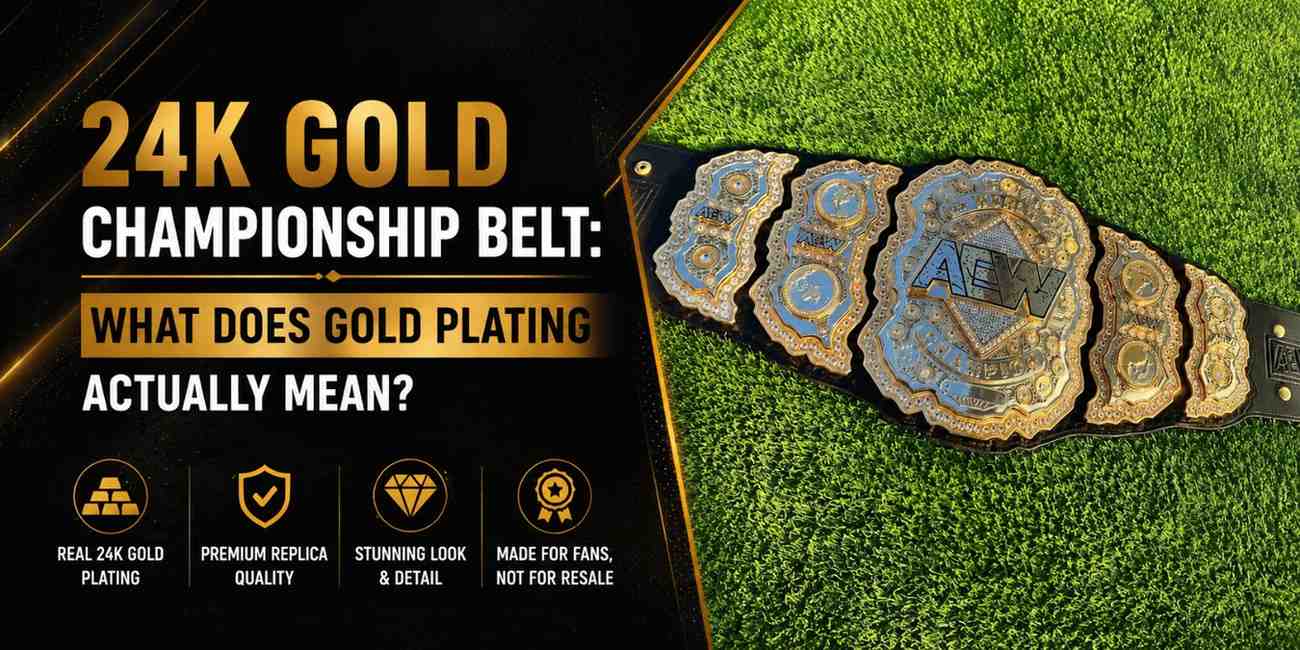
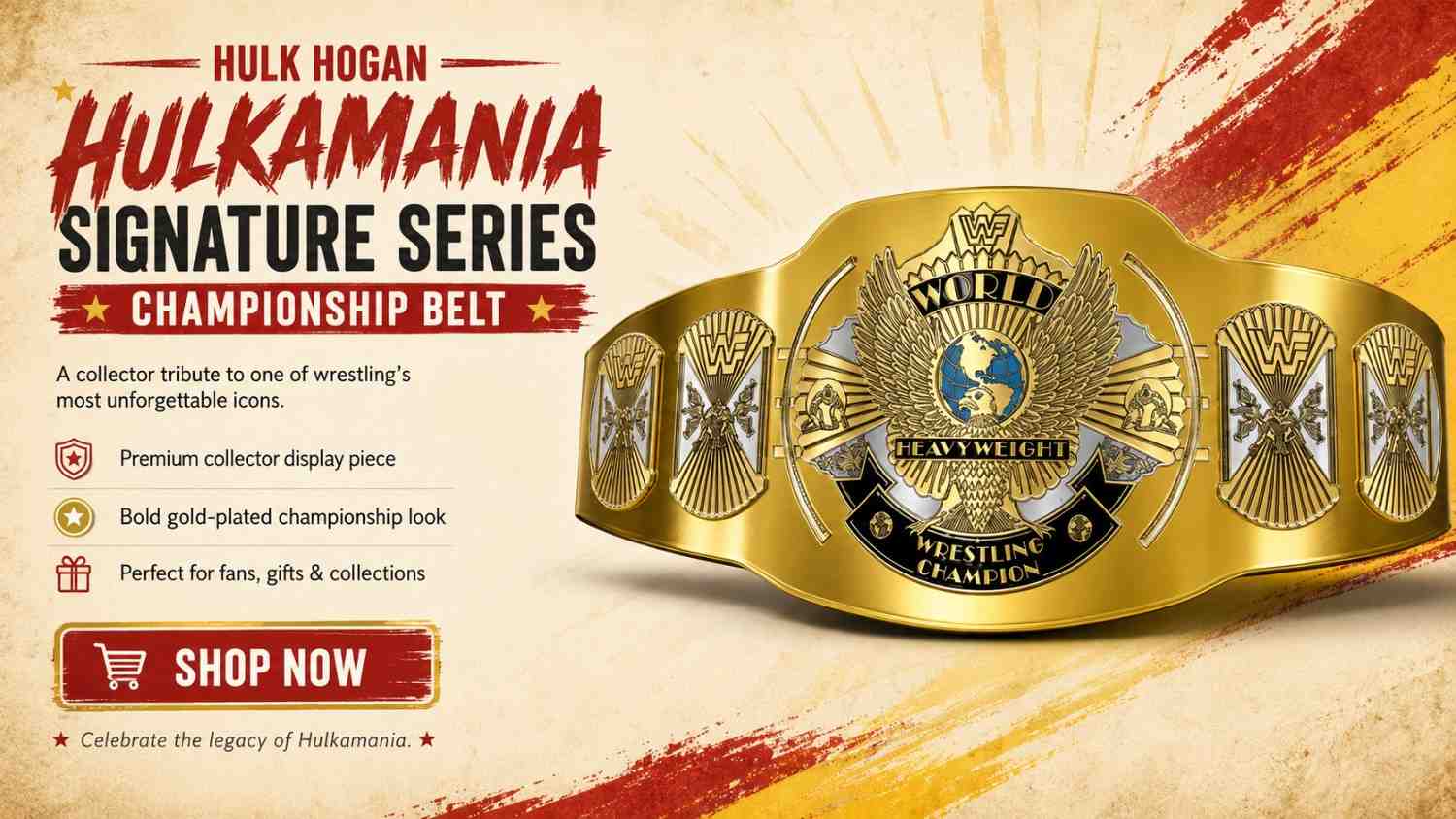
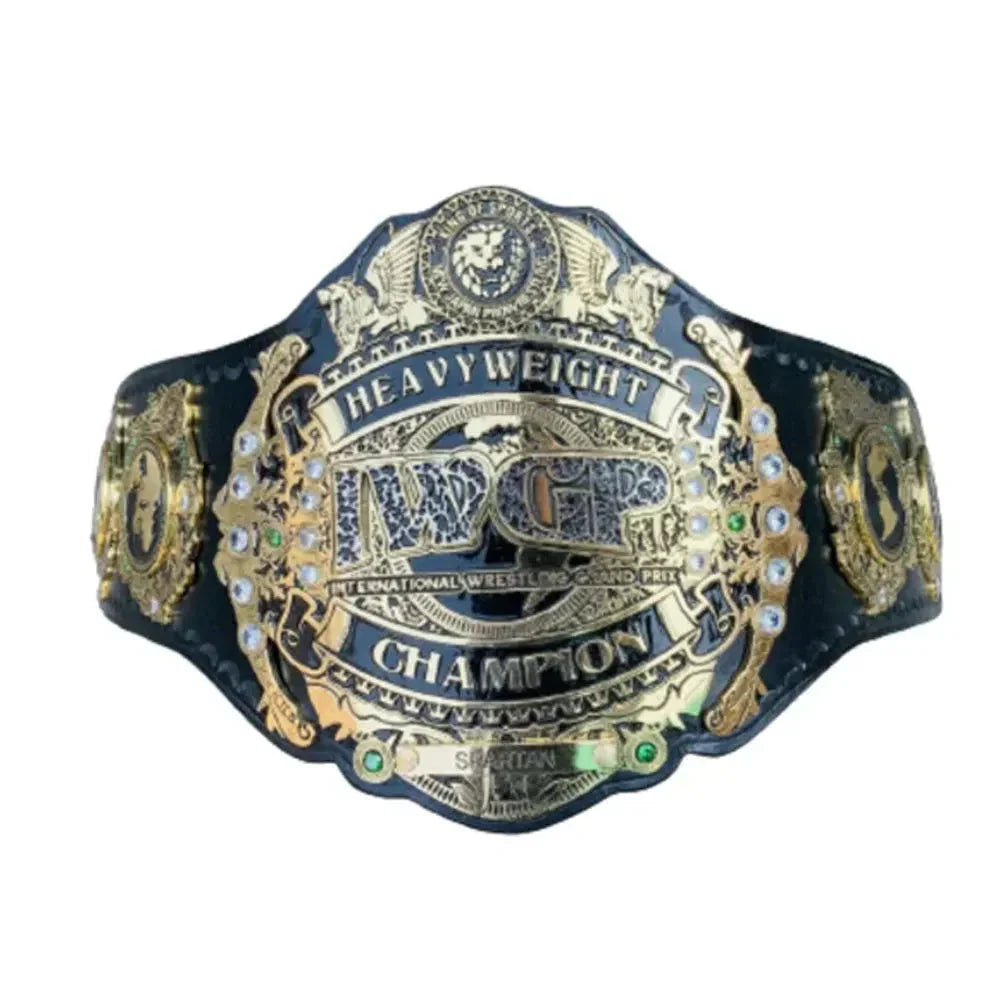
A 24K gold championship belt sounds like something made from pure gold, but that is usually not the case. Most belts with this label are gold plated, not solid gold.
That means the belt plates are made from another metal first, then covered with a thin layer of gold on the surface. The gold is there for shine, color, and premium appearance — not because the whole belt is made of gold.
This difference matters because many buyers see “24K gold” and think they are getting a belt with high gold value. In reality, the real value of a championship belt depends more on its build quality, plate thickness, design work, strap material, and finishing.
What 24K Gold Plating Means
24K gold plating means a thin layer of pure gold is applied over a base metal. The base metal can be zinc alloy, brass, stainless steel, or another material used to form the belt plates.
So when a seller says “24K gold plated,” it usually means:
-
The surface has a gold layer
-
The inside/base is not pure gold
-
The belt is made to look premium
-
The gold layer can wear over time
-
The belt’s value is not based on gold weight
A simple way to understand it:
Gold plated means gold on top.
Solid gold means gold all the way through.
Most legacy championship belts are gold plated because solid gold would be too expensive, too soft, and not practical for normal collectors.
Why Gold Plating Is Used on Championship Belts
Gold plating gives a belt the rich golden look fans expect from a championship title. It makes the plates shine better in photos, videos, display cases, and events.
But plating is only one part of quality. A belt can have gold plating and still feel cheap if the plates are thin, the strap is weak, or the design details are poor.
A good championship belt should have:
The gold finish makes the belt look premium, but the construction decides whether it actually feels premium.
What Buyers Often Get Wrong
The biggest mistake is thinking “24K gold plated” means the belt is a gold investment. It is not. The gold layer is usually thin, so the resale value normally comes from the belt’s design, rarity, brand, or custom work — not the gold itself.
Another mistake is judging quality only by shine. A belt can look bright in product photos but feel light, rough, or poorly finished in person.
Also, thicker does not always mean better. A heavy belt can feel impressive, but if the plating, strap, and plate finishing are weak, the belt will still not feel high quality.
Will Gold Plating Fade?
Yes, gold plating can fade, especially if the belt is handled a lot. The most common wear appears around raised edges, corners, screws, and areas touched often.
Sweat, moisture, rubbing, perfume, harsh cleaning, and poor storage can all damage the finish.
If the belt is mainly for display, the plating can last much longer. If it is used for cosplay, entrances, events, or frequent photoshoots, it will show wear faster.
Is 24K Gold Plating Worth It?
A 24K gold-plated championship belt is worth it if you want a premium display piece, a custom award belt, or a collector-style title with a luxury look.
It may not be worth it if the seller gives no details about the base metal, plating quality, or plate thickness. In that case, “24K gold” may only be used as a selling line.
Before buying, ask:
-
What is the base metal?
-
Is it real gold plating or only gold color?
-
How thick are the plates?
-
Will the finish fade with use?
-
Are real product photos available?
-
Is the strap leather or synthetic?
-
Is there any warranty or return policy?
A serious seller should answer these clearly.
Final Verdict
A 24K gold championship belt is usually not solid gold. It normally means the belt has a thin layer of gold over another metal.
That can still be a good thing. Gold plating gives the belt a bright, premium look and makes it more attractive for collectors. But the real quality depends on the full build — plates, strap, finishing, weight, design, and durability.
FAQs
Is a 24K gold championship belt made of real gold?
Usually, no. It normally has a thin layer of gold on top of another metal.
Does gold plated mean solid gold?
No. Gold plated means gold is only on the surface. Solid gold means the whole piece is made from gold.
Can gold plating come off a belt?
Yes, it can fade or wear off with rubbing, moisture, sweat, or rough handling.
Is 24K gold plating better for championship belts?
It gives a brighter premium look, but it does not automatically mean the belt is high quality.
What should I check before buying a gold-plated belt?
Check the base metal, plate thickness, strap quality, real photos, finish details, and seller policy.
Is a 24K gold-plated belt worth buying?
Yes, if you want a premium-looking display or collector belt. No, if you expect it to have high gold resale value.