The IWGP Heavyweight Championship is one of those wrestling titles that carries real weight in history. It wasn’t just a prize for winning matches—it became a symbol of being the best in professional wrestling, especially in Japan. For years, it stood at the very top of New Japan Pro-Wrestling and helped define what “world-class wrestling” actually means.
What the IWGP Heavyweight Championship Actually Represented
In simple terms, this was the top championship in New Japan Pro-Wrestling. Whoever held it was seen as the leading figure of the company.
But unlike many championships that rely on hype alone, this one was built on:
- Strong in-ring performance
- Consistency over time
- Main event-level matches that delivered under pressure
It wasn’t about popularity only—it was about proving skill inside the ring.
How the Championship Came Into Existence
The title was introduced in 1987 when New Japan Pro-Wrestling wanted a world-level championship that felt legitimate and respected.
Instead of being just another wrestling belt, it was treated with structure and importance. The IWGP committee oversaw it, which gave it a more official and organized identity compared to many other wrestling titles at the time.
This helped the championship grow into something fans and wrestlers both respected deeply.
The Look of the Belt and Why It Stood Out
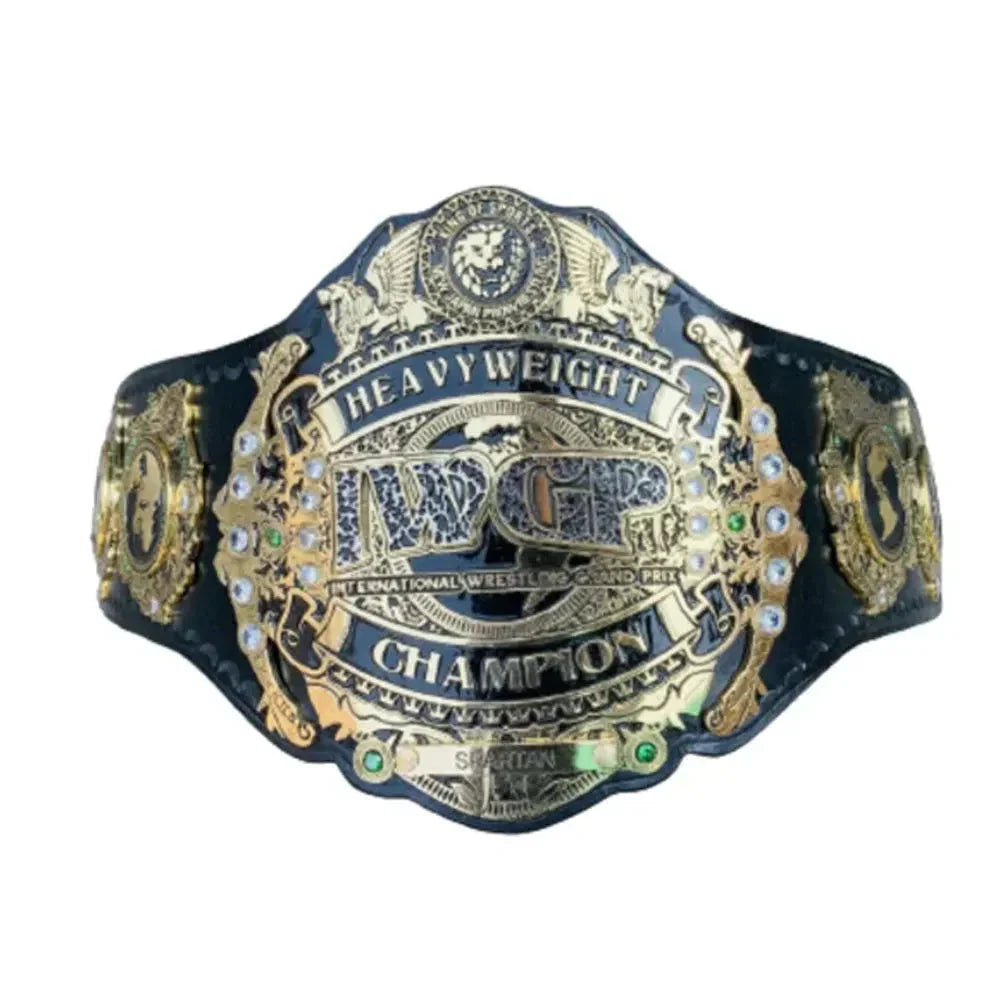
Visually, the IWGP Heavyweight Championship was one of the most impressive belts in wrestling.
It had:
- Large gold plates with detailed artwork
- A globe in the center symbolizing worldwide competition
- A strong, bold strap design that changed over the years
The design wasn’t just for looks—it reflected status, tradition, and dominance. When a wrestler carried this belt, it was instantly clear they were at the top.
Wrestlers Who Made the Title Legendary
A championship is only as strong as the people who hold it, and this title had some of the best.
- Hiroshi Tanahashi carried the company during important years and became known as a true “Ace” figure.
- Kazuchika Okada brought long, dominant reigns and matches that are still discussed today.
- Kenny Omega helped push the championship into global attention with his high-level performances and major rivalries.
Each of them didn’t just win the belt—they helped raise its value.
Why This Championship Was So Respected
The IWGP Heavyweight Championship wasn’t just another title on a roster. It was treated like a standard for excellence.
Winning it meant:
- You could main event major shows
- You could deliver under pressure
- You had proven yourself against top competition
That’s why fans often view it as one of the most “real-feeling” world titles in wrestling.
End of the Title and What Replaced It
In 2021, the championship was unified into a newer version called the IWGP World Heavyweight Championship. This marked the end of an era, but not the end of its influence.
The new title carries forward the legacy, even if the original belt is no longer active.
Lasting Impact and Legacy
Even today, the IWGP Heavyweight Championship is remembered as one of the most important titles in wrestling history.
Its legacy is built on:
- Classic matches that aged well
- Champions who became global stars
- A reputation for real competition and storytelling
It set a standard that many wrestling promotions still try to match.
Final Thoughts
The IWGP Heavyweight Championship wasn’t just about winning a belt. It was about becoming part of a long tradition of excellence in professional wrestling.
For Legacy Title Belts, this championship represents what a true legacy title looks like—built on history, respect, and unforgettable moments rather than short-term popularity.