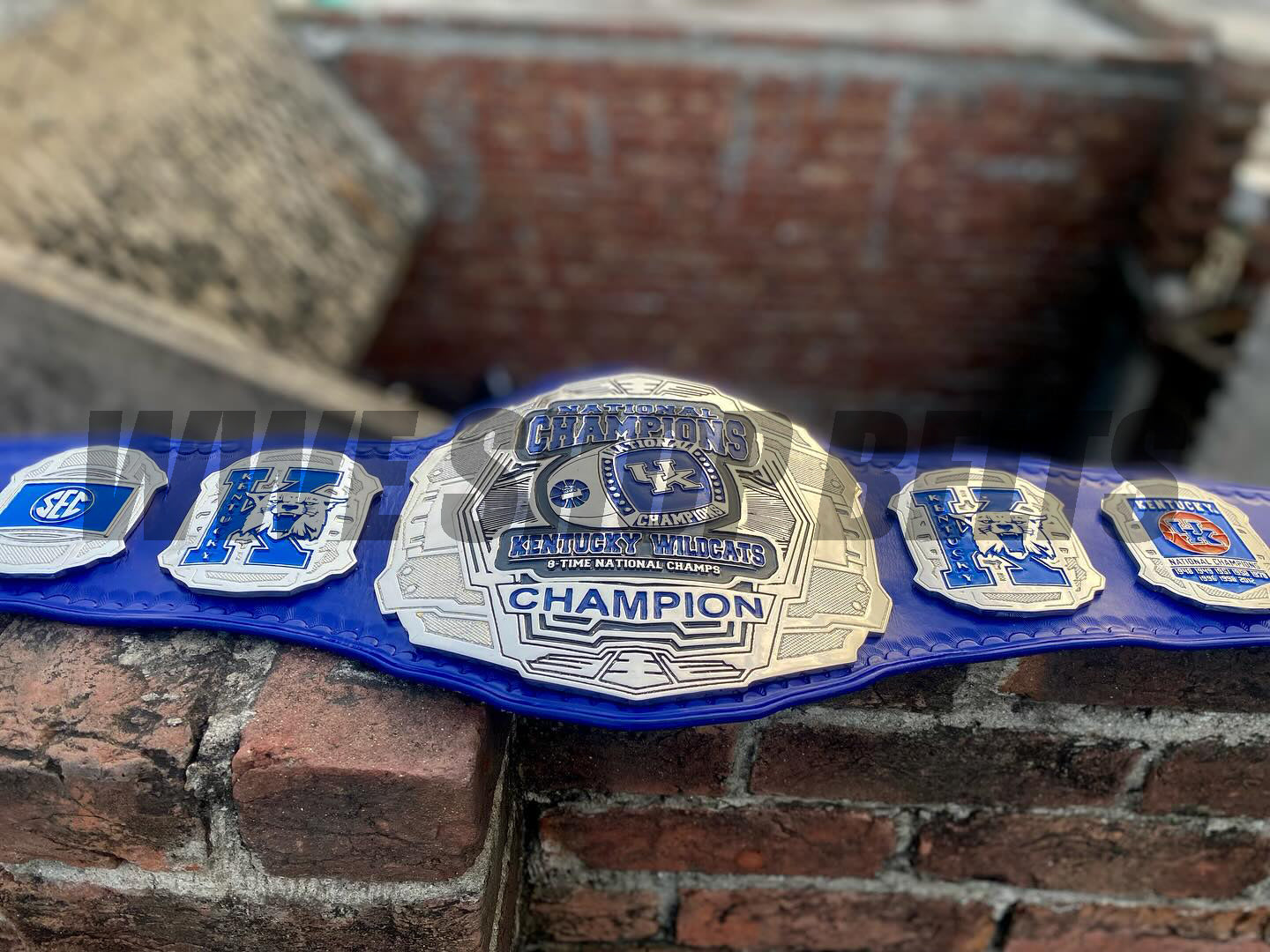
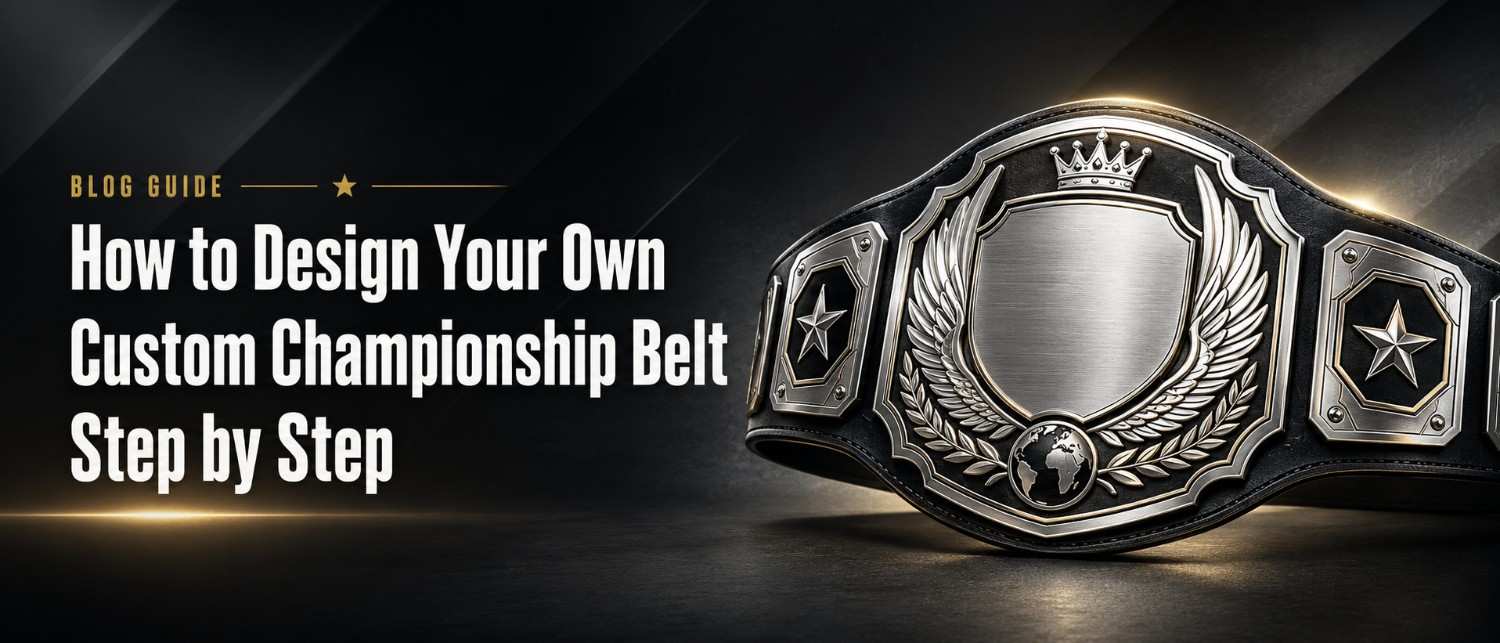
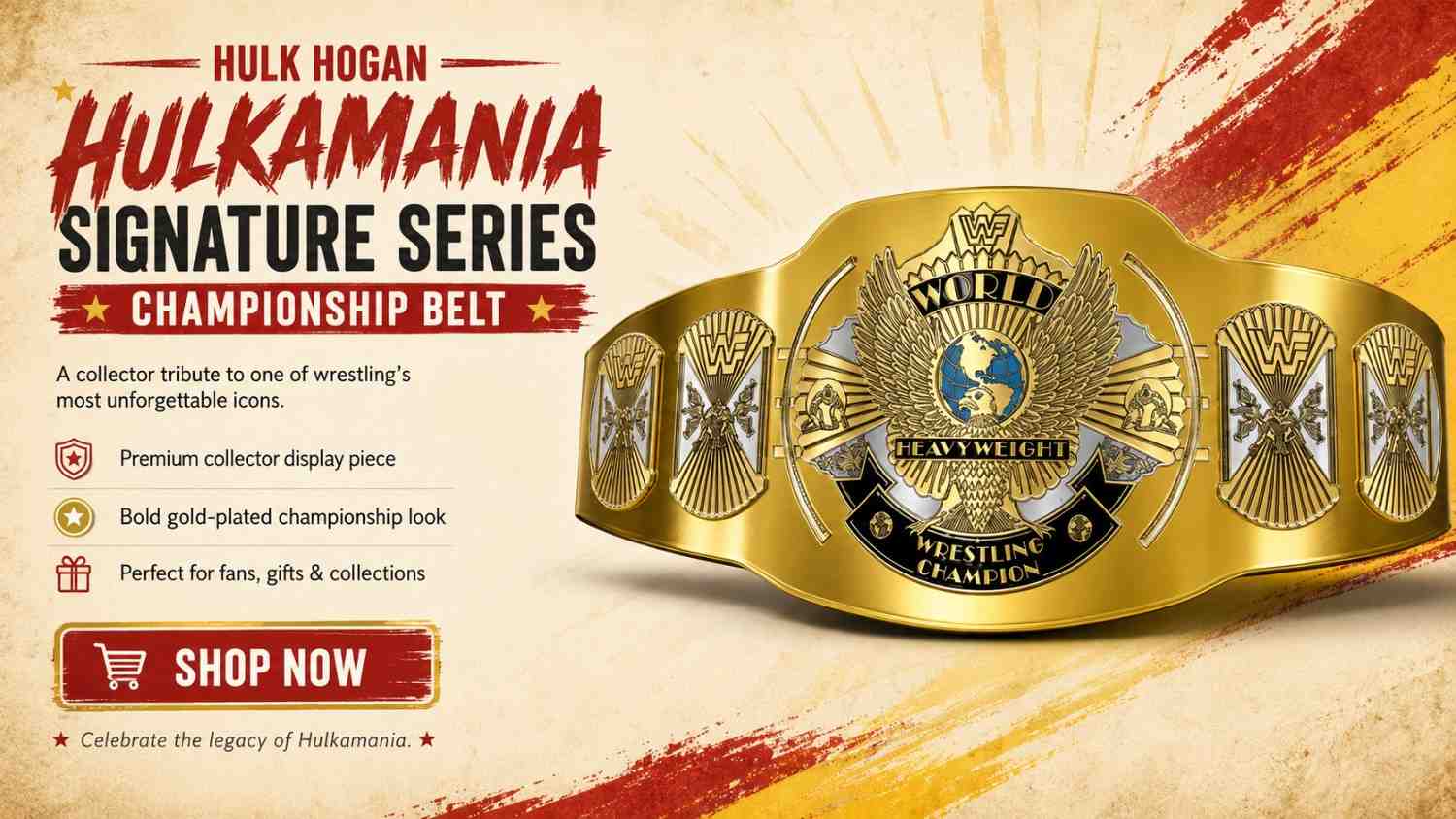
A custom championship belt should feel special the moment someone sees it. It might be made for a wrestling title, a sports event, a fantasy league, a gaming tournament, or a company award. Whatever the reason, the belt should match the moment.
A good belt is not just a logo placed on a shiny plate. The design needs a clear idea, the right materials, readable text, balanced plates, and personal details that actually mean something.
Here is a simple way to plan your own custom made championship belts without making the design look crowded or cheap.
1. Know Why You Are Making the Belt
Start with the purpose. This one decision will shape the whole design.
A wrestling belt usually needs a bold and heavy look. A fantasy football belt can be more fun and personal. A corporate award belt should look clean and professional. A gaming belt can use brighter colors, icons, or custom artwork.
Do not start with colors or plate shapes first. Start with the reason behind the belt. Once that is clear, the design becomes much easier to control.
2. Pick a Style That Fits the Event
Every championship belt has a style. The right one depends on where and how the belt will be used.
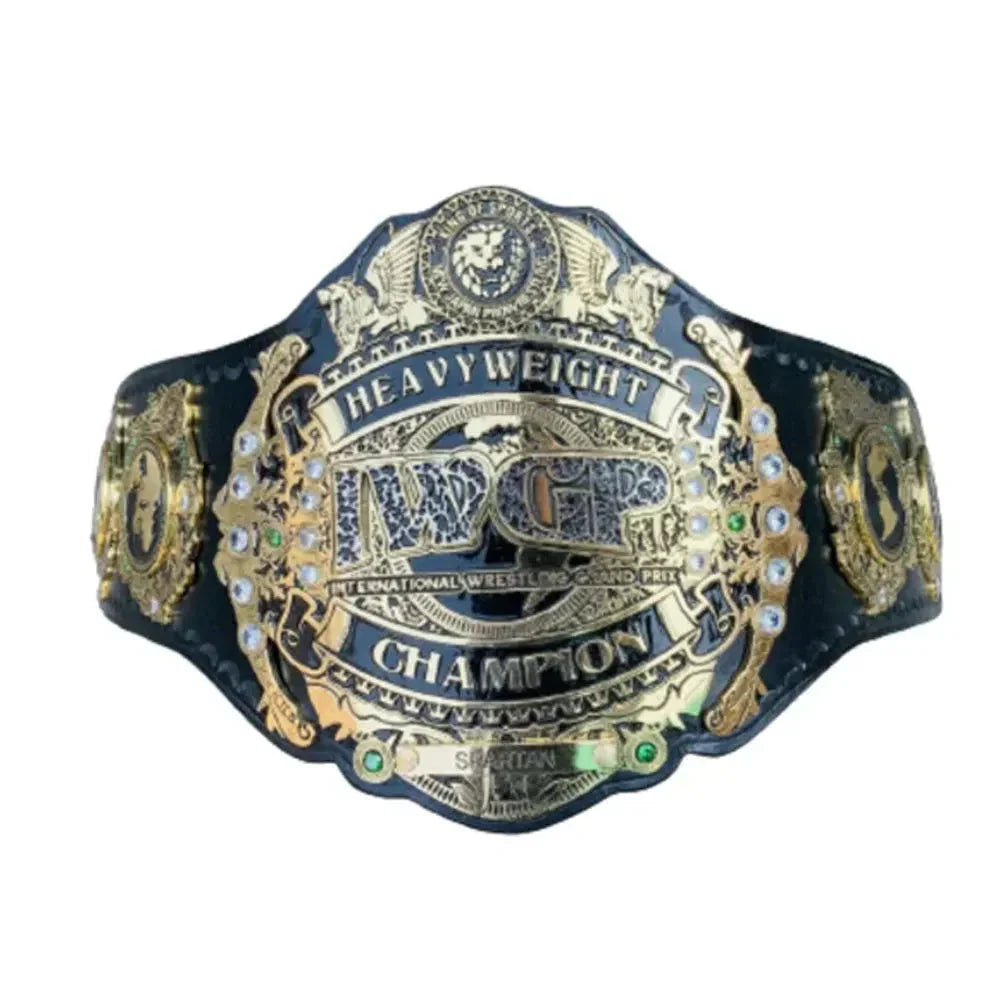
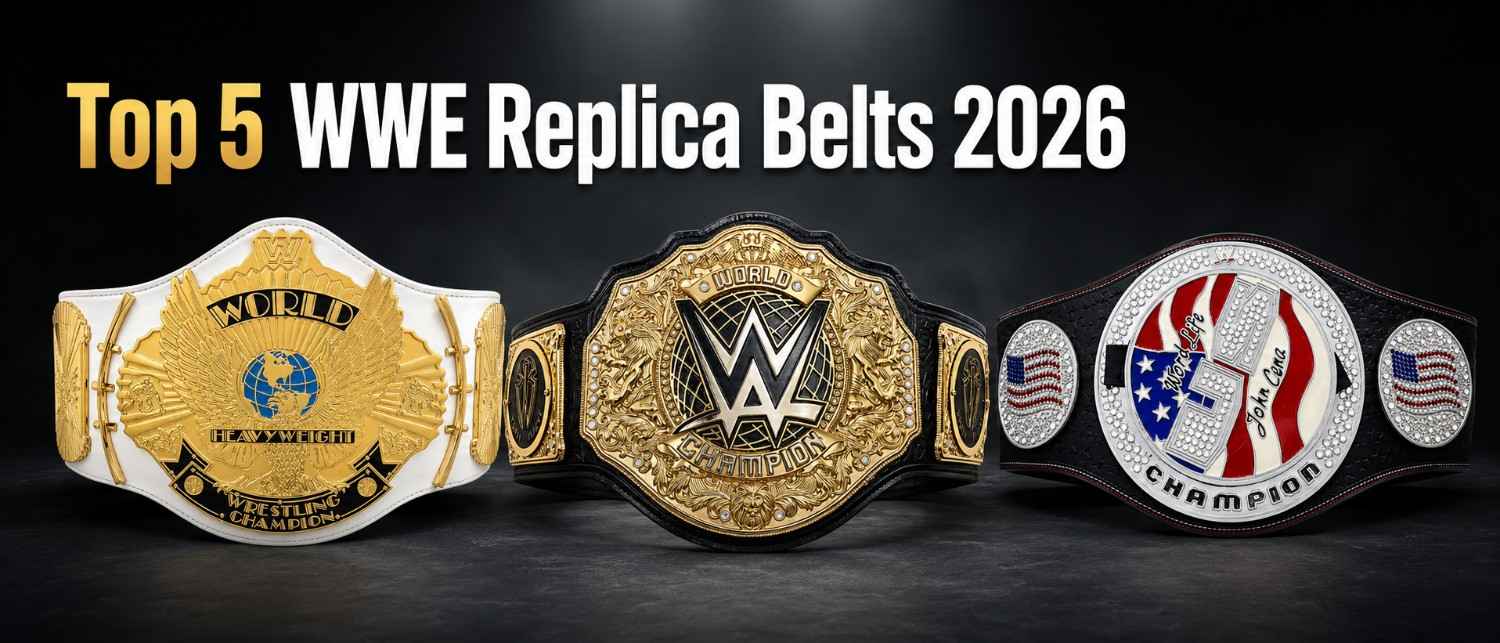
For a classic title belt, go with a large center plate, side plates, strong borders, and bold text. This works well for wrestling, sports, and tournament awards.
For a modern belt, keep the layout cleaner. Use simple fonts, smooth plate shapes, and a polished finish. This style is better for business awards, esports, and brand events.
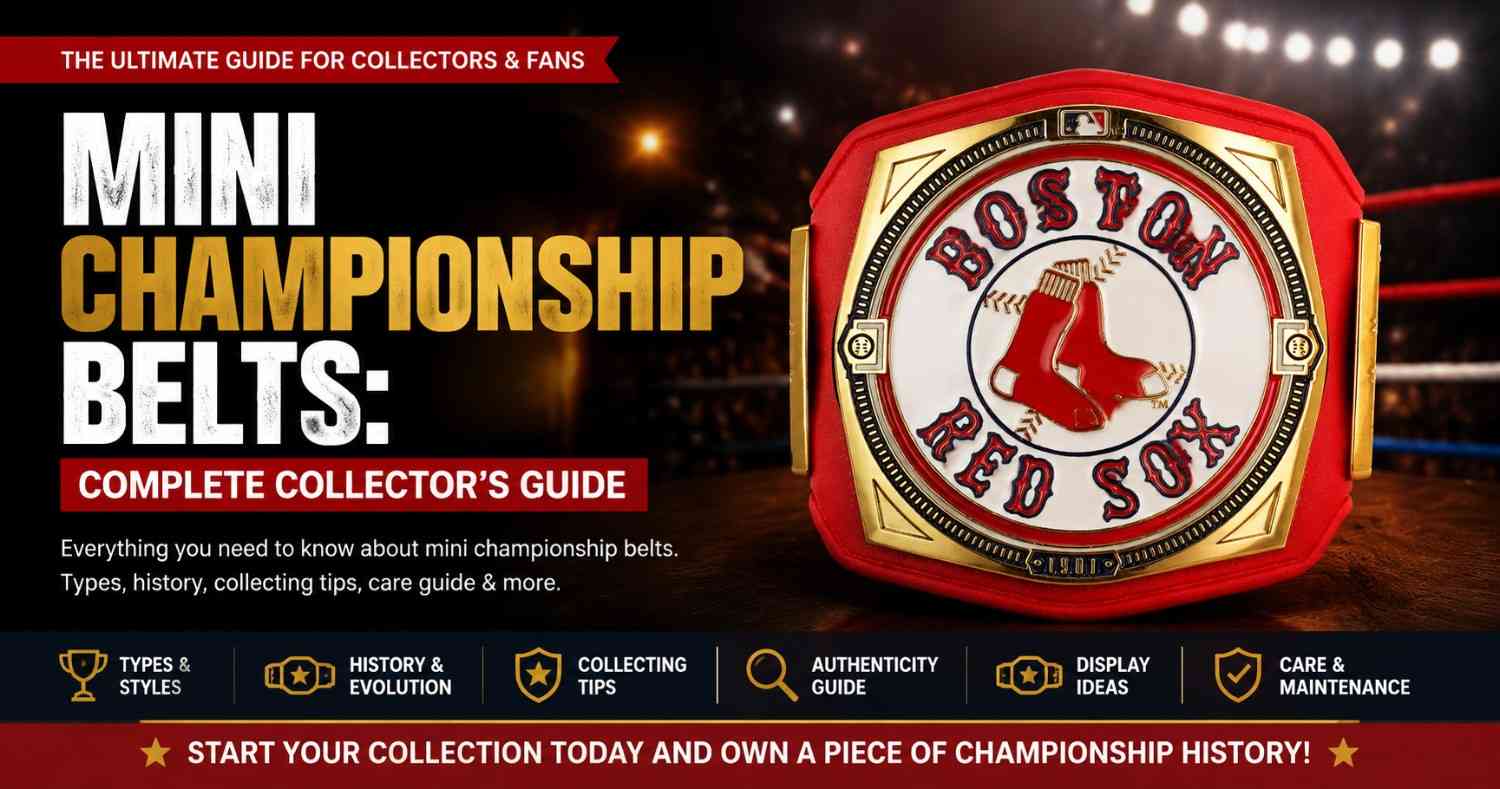
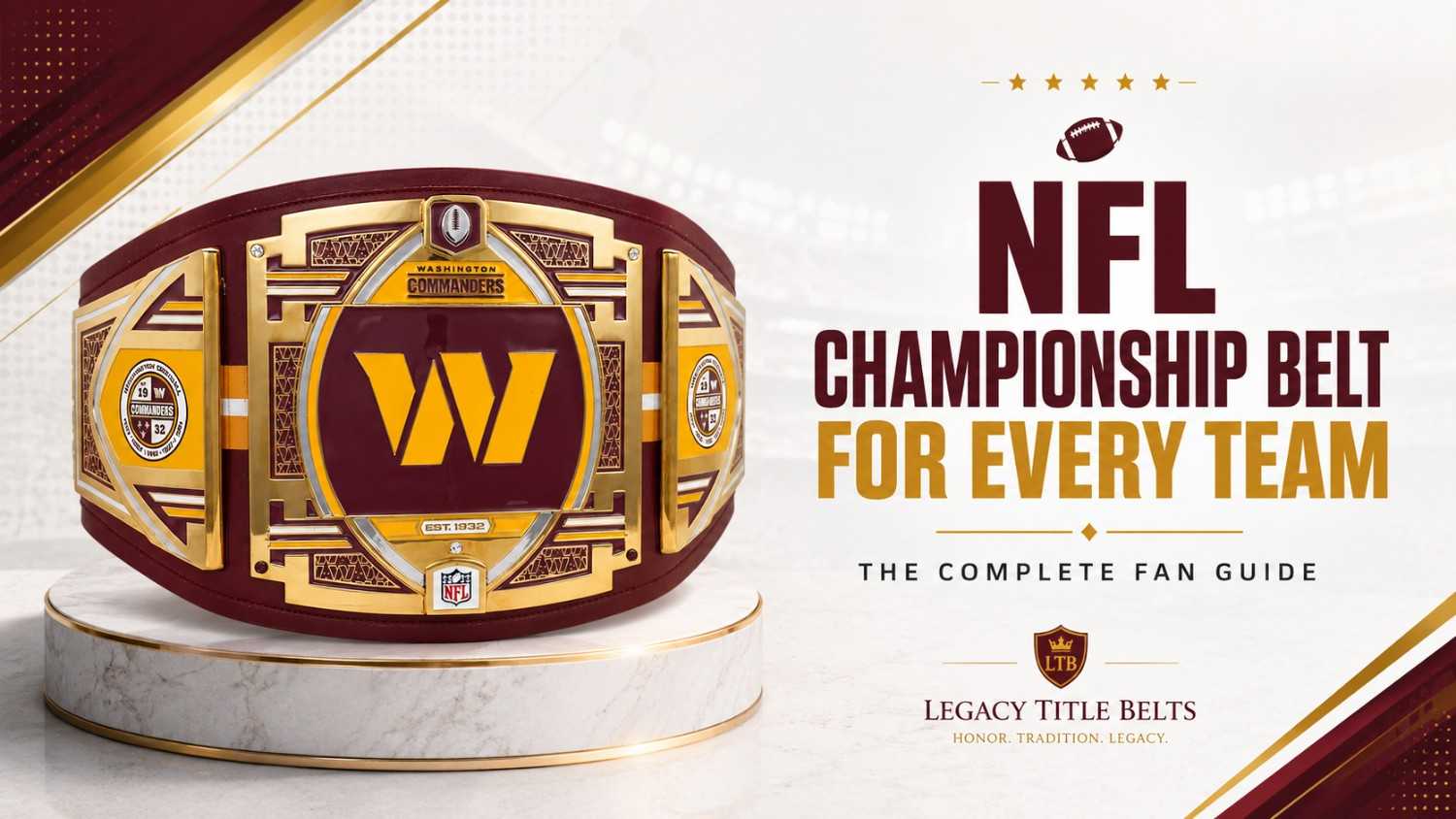
For a themed belt, add details that connect with the group or event. That could be a mascot, team symbol, game icon, or inside joke. Just keep it controlled. Too many small details can make the belt hard to read.
3. Design the Center Plate First
The center plate is the main focus of the belt. This is where the most important part of the design should go.
It can include:
-
The title
-
The logo
-
The winner name
-
The event name
-
A short slogan
Keep the center plate clean. If the main plate has too much text, the belt loses its impact. Use the side plates for smaller details like dates, icons, initials, flags, or extra artwork.
A simple layout usually looks more expensive than a crowded one.
4. Choose the Right Materials
Material makes a big difference in how the belt feels.
Metal plates are best if you want a strong, premium look. Brass and zinc alloy are common choices for custom championship belts because they hold detail well and look professional.
For the strap, real leather feels better and lasts longer. PU leather is a cheaper option and can work for display belts, gifts, or smaller events.
If the belt is for a serious event, choose metal plates and a leather strap. If it is just for fun or casual display, a lighter material can still work.
5. Choose Colors Carefully
Gold is the classic championship color. It gives the belt that traditional winner’s look. Silver feels cleaner and more modern. Black can look bold and premium when used the right way.
You can also add enamel colors to match a team, brand, or event theme. The main thing is contrast. Text should be easy to read, and the logo should not disappear into the background.
A belt can be colorful without looking messy. Use color to highlight the design, not to fill every empty space.
6. Add Personal Details
This is where the belt becomes personal.
You can add a name, logo, year, event title, team name, slogan, mascot, or custom artwork. For yearly competitions, a removable nameplate is useful because the same belt can be reused for future winners.
Only add details that matter. A belt with fewer meaningful elements often looks better than one filled with random decoration.
7. Send Clear Logo and Artwork Files
The final belt will only look as good as the artwork you provide.
Use a clear logo file whenever possible. Vector files like AI, SVG, EPS, or PDF are best. A high-resolution PNG can also work. Avoid blurry screenshots or small images taken from social media.
Before sending the design, check every spelling. Names, dates, and titles should be final. One small mistake can become permanent once the belt is made.
8. Check the Size and Fit
Think about whether the belt will be worn, displayed, or given as a gift.
A wearable belt should be comfortable and adjustable. A display belt can be larger and heavier because it does not need to be worn for long. If the belt is for kids or casual events, avoid making it too heavy. Want to display your belt the right way? Read our complete guide on how to display a championship belt.
Bigger is not always better. The best size is the one that fits the purpose.
9. Review the Mockup Before Production
Before the belt is made, ask for a digital mockup. This is your chance to catch mistakes before production starts.
Check the logo, spelling, colors, plate shape, text size, side plates, and strap color. Look at the design as a whole. If something feels too crowded, ask for a cleaner version.
Do not rush approval. A few extra minutes at this stage can save you from a bad final result.
10. Confirm the Order Details
Before placing the order, confirm the basics with the seller.
Make sure you know the plate material, strap type, size, finish, engraving details, production time, shipping cost, and revision policy.
Clear details help avoid confusion later.
Final Thoughts
Designing a custom championship belt is simple when you plan it step by step. Start with the purpose, choose a style that fits the event, keep the center plate clean, use good materials, and add personal details that actually matter.
The best custom championship belt is not always the flashiest one. It is the one that looks balanced, feels meaningful, and represents the win properly.
Create your dream championship belt today with Legacy Title Belts — where custom designs, premium details, and collector-quality title belts come together.
FAQs
What should I put on a custom championship belt?
You can add a title, logo, winner name, event name, team name, year, slogan, mascot, or custom artwork. Keep the main design clean so it stays easy to read.
What material is best for a custom championship belt?
Metal plates with a leather strap are best for a premium belt. PU leather and lighter materials can work for budget belts or display pieces.
Can I add my own logo to a championship belt?
Yes, you can add your own logo. For the best result, use a clear file such as AI, SVG, EPS, PDF, or high-resolution PNG.
How do I make a custom belt look professional?
Use a clean layout, readable text, good contrast, quality materials, and a balanced center plate. Always review the mockup before production.
Can one belt be used for different winners?
Yes. A removable nameplate lets you change the winner’s name without making a new belt every time.